
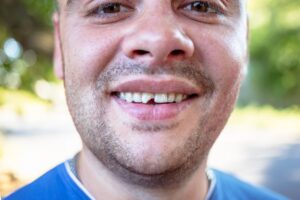
Chipping a tooth is a common dental injury that can happen from biting hard foods, sports accidents, falls, or teeth grinding. Some chips are small and painless, while others can cause sensitivity, discomfort, or visible damage to the smile. When the chip seems minor, many people wonder whether the tooth will simply heal on its own over time.
Unfortunately, unlike skin or bone, teeth cannot regenerate lost enamel. This means a chipped tooth will not repair itself naturally. Even if the damage seems small, it is still important to have the tooth evaluated by a dentist.
Teeth Cannot Heal Like Other Parts of the Body
The outer layer of the tooth, called enamel, is the hardest substance in the body. However, enamel does not contain living cells, which means it cannot regrow once damaged.
If a portion of the tooth chips away, the missing structure will not come back on its own. In some cases, the tooth may remain stable for a while, but the damaged area can still create problems later.
Small Chips May Still Cause Problems
Even a tiny chip can leave rough or weakened edges on the tooth. This may lead to:
- Sensitivity to hot or cold.
- Irritation to the tongue or cheeks.
- Increased risk of further cracking.
- Difficulty chewing comfortably.
A chipped tooth may also become more vulnerable to decay if bacteria collect in the damaged area.
Sometimes the chip extends deeper into the tooth than it initially appears, making professional evaluation important.
Larger Chips Can Expose the Inner Tooth
More serious chips may expose the dentin or pulp inside the tooth. The pulp contains nerves and blood vessels, which can lead to pain, sensitivity, or infection if left untreated.
Signs that a chipped tooth may require urgent dental care include:
- Severe pain.
- Swelling.
- Bleeding.
- Sharp edges.
- Sensitivity that does not improve.
- Difficulty biting down.
Ignoring significant tooth damage can sometimes lead to more extensive treatment later.
Treatment Options for Chipped Teeth
The appropriate treatment depends on the size and location of the chip. Dentists may recommend dental bonding, tooth contouring, veneers, crowns, or root canal treatment for severe damage.
Many cosmetic and restorative treatments can repair chipped teeth while restoring a natural appearance.
What to Do Before Seeing the Dentist
If you chip a tooth:
- Rinse your mouth with warm water.
- Save any broken pieces if possible.
- Avoid chewing on the affected side.
- Cover sharp edges with dental wax if needed.
- Contact your dentist for an appointment.
Prompt evaluation can help prevent additional damage.
A chipped tooth will not heal or grow back on its own because enamel cannot regenerate. While some minor chips may not cause immediate pain, they can still weaken the tooth and increase the risk of future problems. Seeing a dentist after chipping a tooth is the best way to protect your oral health and determine whether treatment is needed to restore the tooth safely and effectively.
About the Author
Dr. Gabrielle C. Dizon earned her Doctor of Dental Surgery degree from the Baylor College of Dentistry. She’s dedicated to staying current with the latest dental developments and research, maintaining membership in the Central Dallas Chapter of the renowned Spear Education Study Club. Dr. Dizon has also earned numerous accolades, including being recognized in D Magazine as a “Best of Big D” Best Dentist multiple times. Have you suffered a dental emergency? We can help! Book online or call our Dallas office at (214) 646-6202.